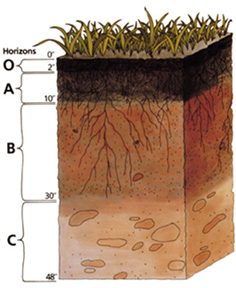
Why Soil Quality in Urban Allotments Varies So Much
Urban community garden sites are often established on land with complicated histories: former industrial lots, construction fill, reclaimed brownfields, or existing park turf. The soil that gardeners inherit at a new allotment may be compacted, low in organic matter, pH-imbalanced, or contaminated with residual construction debris. In contrast, plots that have been gardened organically for five or more years often have rich, well-structured soil that requires little intervention beyond seasonal topdressing.
The difference between these two starting conditions means that soil preparation in year one is not optional — it largely determines the productivity ceiling for the entire growing relationship with that plot.
Testing Your Soil Before Amending
Applying amendments without knowing what the soil actually needs is a common and costly mistake. Two basic tests cover the most important variables:
pH testing
Most vegetables perform best in a pH range of 6.0–7.0. Soils outside this range lock out nutrients that may be physically present but chemically unavailable to plant roots. Inexpensive soil pH test kits are available at any garden centre for $5–$15. Test multiple spots within your plot, as pH can vary by a full point across a few feet in urban soils.
- If pH is below 6.0 (acidic): add ground limestone (calcitic or dolomitic). Work at 2–4 lbs per 100 sq ft into the top 6 inches. Retest after 4–6 weeks.
- If pH is above 7.5 (alkaline): add elemental sulphur or acidic compost (pine bark, peat moss). Work in at 1–2 lbs per 100 sq ft. Note that correcting alkalinity takes longer than correcting acidity — plan 2–3 seasons for significant pH reduction.
Texture and drainage assessment
Take a handful of moist soil and squeeze. If it forms a tight ribbon over 5 cm long, it is clay-heavy. If it falls apart immediately, it is sandy. A clump that holds shape briefly then crumbles is loam — close to the ideal. Both clay-heavy and sandy soils benefit from organic matter addition, which improves drainage in clay soils and water retention in sandy soils.
If your plot is on land with an uncertain history, consider a heavy metals test through a provincial soil lab. Ontario and BC both offer subsidized testing for community garden sites through their respective agricultural extension programs.
Organic Amendment Options for Allotment Beds
Once you know what the soil needs, the amendment options for organic improvement fall into a few clear categories:
Finished compost
The most broadly useful amendment for urban allotment soils. Apply a 2–4 inch layer across the surface and work it into the top 6 inches before the first planting. Compost improves microbial activity, nutrient availability, moisture retention, and soil structure simultaneously. Sourcing matters: fully finished compost is dark, crumbly, and smells earthy. Partially composted material can temporarily deplete nitrogen as it continues breaking down in the soil.
Aged manure
Horse and chicken manure that has been aged or composted for at least six months significantly boosts nitrogen and organic content. Fresh manure introduces pathogens and can burn plant roots. Many municipalities permit bagged aged manure in community gardens; check your plot agreement before applying loose manure from external sources.
Vermiculite and perlite
Used primarily for raised bed mixes where drainage and aeration are priorities. Vermiculite retains moisture; perlite improves drainage. A standard raised bed mix for allotments (sometimes called Mel's Mix) uses one-third compost, one-third vermiculite, and one-third peat or coco coir. This is effective for raised beds but impractical for large in-ground plots.
Cover crops as green manures
At the end of the growing season — or in the gap before a late planting — sowing a cover crop of winter rye, crimson clover, or vetch and tilling it under before it sets seed adds significant organic matter while suppressing weed growth. Winter rye is particularly well-suited to Canadian allotment conditions as it tolerates frost down to -30°C and regrows from the crown if cut before tilling.
Addressing Compaction Without Disrupting Soil Structure
Compaction is one of the most common problems in inherited urban plots, especially those that have been walked on or left bare. Severely compacted soil restricts root penetration, reduces drainage, and limits microbial activity in the root zone.
Broadfork technique
A broadfork (also called a U-fork) loosens soil to 10–12 inches depth without inverting layers. Work systematically across the bed, inserting the tines vertically, then rocking the handle backward. This breaks compaction without disrupting the biological profile of the soil, which typically has beneficial fungi networks and microbial communities at specific depths that deep rototilling destroys.
Raised bed conversion
For severely degraded in-ground soils, converting to raised beds is a practical approach. A 6–8 inch raised frame filled with a quality soil-compost blend bypasses the native soil problem entirely for the first few seasons while the in-ground soil recovers underneath. Many allotment programs permit raised frames within plot boundaries up to a specified height (typically 12 inches).
Maintaining Soil Quality Season to Season
Once the soil is in good condition, maintaining it requires less effort than the initial remediation. The consistent practices that preserve soil health in allotment beds are:
- Topdressing with 1–2 inches of compost each spring before planting, without tilling
- Avoiding walking on growing areas — permanent paths between beds reduce compaction significantly
- Keeping soil covered at all times with either growing plants, mulch, or a cover crop — bare soil loses organic matter through oxidation and is vulnerable to compaction from rain
- Rotating plant families between seasons to interrupt pest and disease cycles and vary nutrient demands on the soil